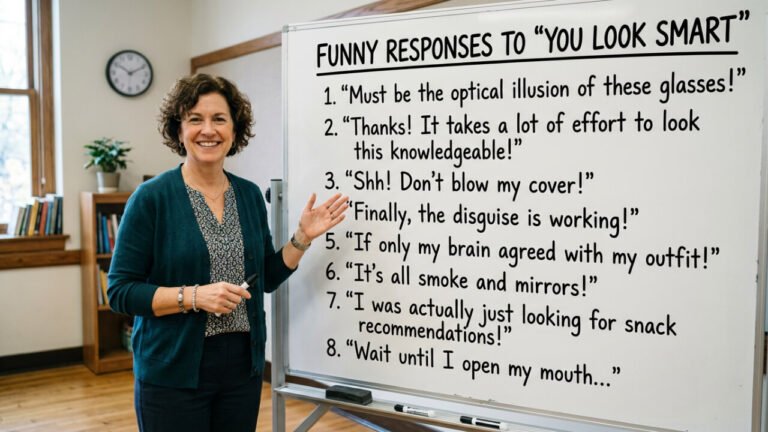

Sometimes “what’s on your mind” feels like a simple question, but it can catch you during deep thoughts, random ideas, quiet moods, awkward pauses, or emotional moments. That is why funny responses to what’s on your mind can help you answer with wit, comfort, and personality instead of giving a serious explanation.
These replies work well in friendly conversations, family chats, dating moments, workplace breaks, or any casual talk where someone notices your silence. A smart response can make the moment lighter, protect your privacy, and keep the conversation moving naturally.
The Benefits of Choosing Funny Responses to “What’s on Your Mind?”
- Keeps Privacy Safe: A light reply helps you avoid sharing personal thoughts when you are not ready.
- Makes Conversation Easier: A quick response can turn an awkward pause into a relaxed exchange.
- Adds Natural Wit: The right line lets your personality show without sounding forced or serious.
- Softens Serious Questions: A simple answer can reduce pressure when someone asks what you are thinking.
Funny Responses to “What’s on Your Mind?”

Sometimes your thoughts are too random, dramatic, or strange to explain with a serious answer. Funny responses to what’s on your mind can help you reply when someone catches you staring, thinking, daydreaming, or sitting in silence. They are useful in friendly chats, quiet moments, awkward pauses, and casual conversations. A light answer can keep your private thoughts safe while giving the other person something amusing, simple, and easy to understand.
1. “Mostly snacks and one unpaid emotional bill.”
Food mixed with feelings makes the reply sound casual and funny.
2. “A tiny circus, but all the performers are confused.”
Strange imagery gives your thoughts a busy and silly feeling.
3. “I am wondering why chairs never get tired.”
Random curiosity makes the answer feel unexpected and light.
4. “My brain is currently chasing three useless ideas.”
Busy wording makes your mind sound active in a fun way.
5. “Just deciding if soup counts as a drink.”
Silly debate turns the question into a harmless thought puzzle.
6. “A playlist of bad decisions and dinner plans.”
Mixed priorities make the response sound funny and relatable.
7. “My mind is holding a meeting without me.”
Office style wording makes your thoughts sound out of control.
8. “I am thinking about nothing, but loudly.”
Simple contradiction gives the line a dry and amusing tone.
9. “Mostly wondering where my common sense went.”
Self directed wit makes the reply sound honest and easygoing.
10. “A potato, a plan, and zero explanation.”
Random wording makes the answer strange, memorable, and relaxed.
Flirty Responses to “What’s on Your Mind?”
Honestly, the question becomes sweeter when the person asking is already the reason your thoughts feel distracted. Flirty responses to what’s on your mind can turn a simple check in into a warm, charming, and slightly teasing moment. They suit romantic conversations, shy pauses, soft eye contact, tender moods, and growing attraction. Instead of giving a plain answer, you can make your reply feel personal, memorable, and full of gentle interest.
1. “You, but I was trying to look mysterious.”
Soft honesty makes the reply feel sweet while keeping a teasing tone.
2. “Mostly wondering how you keep distracting me so easily.”
Gentle attraction gives the answer a warm and confident feeling.
3. “I was thinking your smile deserves more attention.”
Romantic wording turns the question into a direct compliment.
4. “You walked in, and my thoughts lost focus.”
Natural phrasing makes the response feel smooth and personal.
5. “I am trying not to admit it is you.”
Shy confidence gives the line a cute and charming effect.
6. “Your name keeps showing up in my thoughts.”
Simple emotion makes the reply feel sincere without becoming too serious.
7. “I was wondering if you know how cute you look.”
Sweet teasing adds warmth while making the moment feel closer.
8. “Nothing important, just someone standing right in front of me.”
Subtle wording lets the compliment feel soft and romantic.
9. “I am thinking you should ask that while sitting closer.”
Bold charm gives the comeback a confident and inviting touch.
10. “Honestly, my mind looks better when you are in it.”
Warm expression makes the answer feel affectionate, smooth, and memorable.
Read Also:
Funny Responses To “Shut Up”

Best Responses to “What’s on Your Mind?”
Not every thought needs a dramatic explanation, but a good answer can still sound sincere, calm, and engaging. Best responses to what’s on your mind should fit quiet moods, deep thinking, casual concern, personal reflection, or meaningful conversation. They help you answer without sounding closed off or too exposed. With the right words, you can share a little, protect your privacy, and keep the conversation warm, balanced, and easy to continue.
1. “Just thinking about where life is taking me next.”
Reflective wording gives the reply depth while keeping it simple.
2. “A few thoughts, but nothing I cannot handle.”
Calm honesty makes the answer sound mature and steady.
3. “I am sorting through some ideas in my head.”
Clear phrasing helps explain your silence without oversharing.
4. “Mostly plans, feelings, and a little curiosity.”
Balanced wording makes the response sound natural and thoughtful.
5. “I was thinking about how quickly things change.”
Gentle reflection gives the answer a meaningful and relatable tone.
6. “Just trying to understand what I really want.”
Personal wording makes the reply feel honest without becoming too heavy.
7. “A mix of memories, goals, and quiet questions.”
Soft expression makes your thoughts sound layered and calm.
8. “I am thinking about what matters most right now.”
Focused wording gives the response a grounded and sincere feeling.
9. “Nothing serious, just my mind taking a walk.”
Peaceful imagery makes the answer easygoing and lightly expressive.
10. “I was just thinking about how I feel today.”
Simple honesty keeps the reply warm, open, and easy to continue.
Cool Responses to “What’s on Your Mind?”
Silence can look mysterious when your thoughts are moving in places nobody else can see. Cool responses to what’s on your mind help you answer with calm confidence, smooth wording, and quiet personality. They work during deep pauses, relaxed conversations, private moods, and moments when you do not want to explain everything. Instead of sounding nervous or distant, you can give a stylish reply that keeps your thoughts protected while still keeping the exchange open.
1. “Just planning my next calm move.”
Smooth confidence makes the reply sound focused and collected.
2. “Nothing loud, just quiet strategy.”
Controlled wording gives your thoughts a sharp and composed feeling.
3. “I am thinking, but I am keeping it clean.”
Simple style makes the answer sound private without seeming cold.
4. “A few ideas, none ready for public viewing.”
Private phrasing keeps the mood cool while avoiding too much detail.
5. “Just letting my mind move at its own pace.”
Relaxed language gives the response a steady and confident tone.
6. “Mostly focus, with a little mystery.”
Balanced wording makes the answer sound stylish and easygoing.
7. “I am keeping some thoughts in reserve.”
Measured expression makes your silence feel intentional and mature.
8. “Just watching my thoughts line up properly.”
Calm imagery gives the reply a neat and controlled sound.
9. “Nothing messy, just a quiet reset.”
Clean phrasing makes the answer feel peaceful and composed.
10. “I am thinking ahead, not explaining yet.”
Confident wording keeps your privacy safe while sounding direct.
Sarcastic Responses to “What’s on Your Mind?”
Apparently, staring into space now requires a full mental report with footnotes. Sarcastic responses to what’s on your mind can help you answer when the question feels too curious, badly timed, or slightly dramatic. They work during quiet moods, awkward pauses, tired conversations, or moments when your thoughts are too messy to explain. Instead of opening your entire brain, you can reply with dry wit, calm attitude, and controlled amusement.
1. “Just calculating how I became the main subject of concern.”
Dry wording makes the question sound bigger than it needs to be.
2. “Mostly wondering why my silence needed an interview.”
Quiet irritation gives the answer a sharp and amusing edge.
3. “A full documentary, but the budget is terrible.”
Exaggerated imagery makes your thoughts sound dramatic and poorly organized.
4. “Just reviewing my life choices with unpaid staff.”
Office style phrasing turns private thoughts into a ridiculous meeting.
5. “Nothing special, only the usual chaos with better lighting.”
Casual sarcasm makes your mind sound busy without giving real details.
6. “I was peacefully overthinking until the inspection began.”
Polished annoyance makes the question feel like an unwanted interruption.
7. “Mostly wondering if my face requested this conversation.”
Facial expression becomes the source of the awkward moment.
8. “A masterpiece of confusion, thanks for asking.”
Mock elegance makes your thoughts sound dramatic yet controlled.
9. “Just deciding which problem deserves my attention first.”
Dry honesty gives the response a realistic but sarcastic tone.
10. “My mind is busy pretending everything is organized.”
Quiet wit makes the answer feel relatable, sharp, and easy to understand.
Rude Responses to “What’s on Your Mind?”
Some questions feel less like concern and more like unwanted digging into private thoughts. Rude responses to what’s on your mind help you answer when someone sounds nosy, pushy, fake, or too comfortable crossing boundaries. They suit tense conversations, irritating interruptions, and moments when silence should be respected. Instead of explaining your inner world to someone who has not earned access, you can use a sharp line that closes the topic fast.
1. “Nothing you have permission to enter.”
Firm wording makes your private thoughts sound clearly off limits.
2. “Not your business, so keep walking.”
Blunt delivery closes the question without leaving room for more digging.
3. “Something better than this conversation.”
Cold phrasing makes the current exchange sound boring and unwanted.
4. “My thoughts, not your inspection report.”
Sharp language turns their curiosity into something intrusive and annoying.
5. “Enough to know I should ignore you.”
Direct attitude makes the reply sound rude, quick, and controlled.
6. “Private things you are not qualified for.”
Dismissive wording makes their interest feel uninvited and unimportant.
7. “Nothing that needs your commentary.”
Plain expression shuts down the question with a firm boundary.
8. “Your exit would improve my thoughts.”
Harsh phrasing makes distance sound like the best answer.
9. “Less nonsense before you asked.”
Cutting wording suggests their question made the moment worse.
10. “A reminder to avoid people like you.”
Severe wording gives the comeback a rude and final tone.
Savage Responses to “What’s on Your Mind?”
Bold curiosity can feel insulting when someone asks like they deserve access to every private thought. Savage responses to what’s on your mind help you answer with sharp control, fearless confidence, and strong boundaries. They work when the question feels nosy, fake, dramatic, or too personal. Instead of letting someone enter your mental space, you can return the pressure with a cutting line that makes your privacy clear and your confidence louder.
1. “Your name, but only under things I avoid.”
Sharp rejection makes the reply sound personal, cold, and unforgettable.
2. “A list of reasons this conversation should end.”
Cutting focus turns your thoughts into a direct exit sign.
3. “How much peace I had before you arrived.”
Harsh comparison makes their presence sound like the real problem.
4. “Nothing you would understand without subtitles.”
Brutal wording makes the comeback feel intelligent and dismissive.
5. “The hope that you stop asking questions.”
Direct pressure makes your boundary clear without adding extra explanation.
6. “How your confidence survived your personality.”
Savage phrasing attacks their attitude with calm precision.
7. “A better conversation with someone else.”
Cold simplicity makes the response sound final and deeply dismissive.
8. “Why silence was nicer before you interrupted it.”
Sharp reflection turns their question into an unwanted disturbance.
9. “How quickly I can leave this moment.”
Clean wording makes your lack of interest impossible to miss.
10. “Your relevance, but I could not find it.”
Merciless delivery makes the comeback sound controlled, bold, and final.
Unique Responses to “What’s on Your Mind?”
Visible tears can make people curious before you feel ready to explain anything. Unique responses to are you crying help you answer with originality, softness, and control when emotions show unexpectedly. They fit private feelings, tired eyes, touching memories, laughter, or quiet sadness. Instead of giving a basic answer, you can use a fresh reply that protects your comfort while making the moment feel lighter and less awkward.
1. “No, my eyes are composing a silent song.”
Gentle imagery gives the reply a soft and expressive feeling.
2. “I am just letting my face breathe a little.”
Calm wording makes tears sound like a natural release.
3. “No, my emotions are painting without permission.”
Creative phrasing turns visible feelings into a private artwork.
4. “My eyes are just telling a story first.”
Thoughtful language makes the answer feel deep without sharing too much.
5. “No, my heart sent a message through my lashes.”
Tender wording gives the reply warmth and originality.
6. “I am just clearing space behind my eyes.”
Soft expression makes the moment sound peaceful and personal.
7. “No, my feelings are taking the scenic route out.”
Visual wording makes emotions feel gentle instead of heavy.
8. “My eyes are just holding a tiny ceremony.”
Unusual phrasing gives the response a memorable and graceful tone.
9. “No, my mood is speaking in water.”
Poetic wording makes the answer feel calm, fresh, and unique.
10. “I am just letting silence leave in drops.”
Expressive language gives the final reply a quiet and meaningful sound.
Conclusion
Choosing the right words can make any personal question feel easier, lighter, and more comfortable. These funny responses to what’s on your mind give you many ways to answer with wit, charm, sarcasm, confidence, or strong boundaries. Whether someone asks during a quiet mood, deep thought, awkward pause, or private moment, your reply can protect your comfort while keeping the conversation natural. Pick the response that suits your tone, relationship, and situation. A good answer should feel honest enough, simple enough, and smart enough to keep the moment under control.
FAQs
What are funny responses to what’s on your mind?
Funny responses to what’s on your mind are witty replies you can use when someone asks about your thoughts.
When should I use these responses?
You can use them during casual conversations, quiet moments, awkward pauses, or when you do not want to explain everything.
Can these replies sound rude?
Yes, some replies can sound rude, so choose a softer response when the person is caring or sensitive.
What is the best response to what’s on your mind?
The best response is one that matches your mood and keeps the conversation comfortable.
Are flirty responses good for this question?
Flirty responses work well when the person asking is close to you and the conversation feels warm.