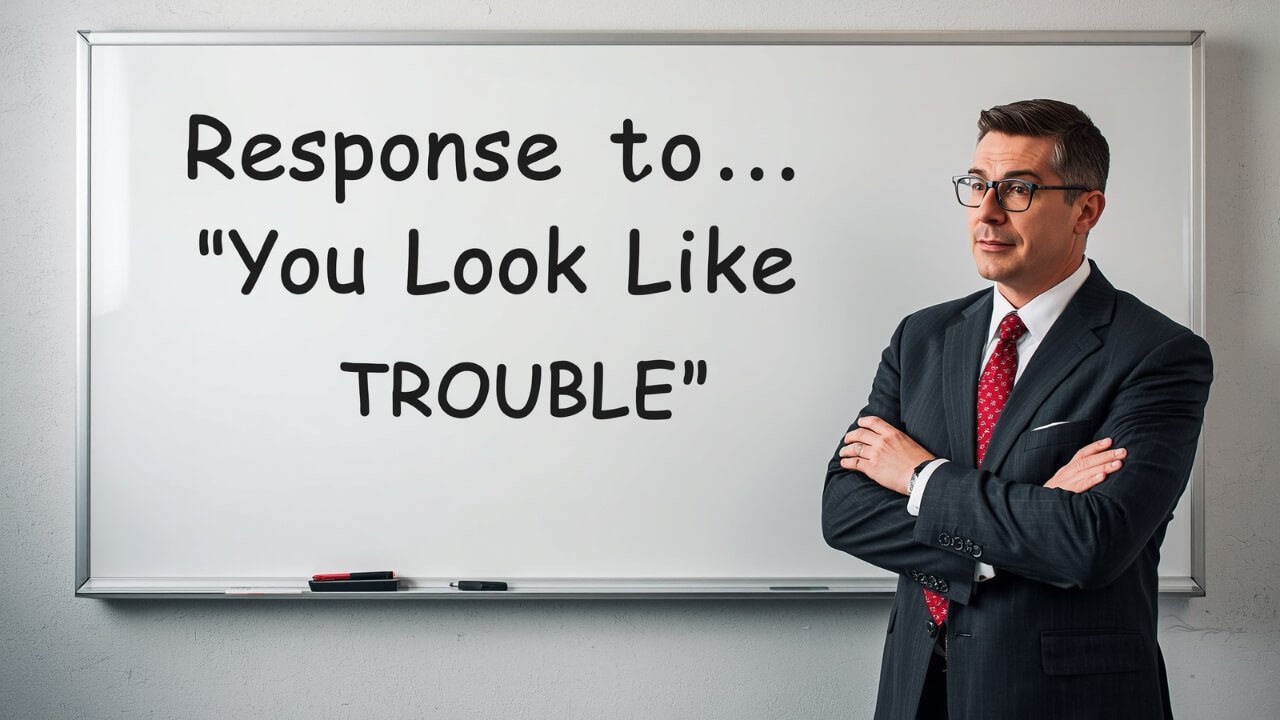

Some remarks instantly turn a simple conversation into playful banter, and you look like trouble is one of them. A response to you look like trouble helps you answer with confidence, charm, or light teasing without sounding awkward. These replies can fit flirty talk, friendly jokes, first meetings, bold compliments, and casual conversations where tone matters.
You can use a smooth comeback to show personality, set a boundary, or keep the moment fun. The right words make the exchange feel natural, balanced, and memorable while giving you control over how the conversation continues.
The Benefits of Choosing Response to You Look Like Trouble
- Builds Confidence: A strong reply helps you answer boldly instead of feeling caught off guard by the comment.
- Keeps Banter Natural: The right response can turn a bold remark into an easy exchange that feels relaxed and enjoyable.
- Shows Personality: A well chosen comeback lets your charm, attitude, or wit come through without forcing the moment.
- Sets the Tone: Your answer can make the conversation flirty, friendly, serious, or playful depending on what feels right.
Response to You Look Like Trouble

Bold remarks can make the room feel lively when someone says you look like trouble. A response to you look like trouble should sound confident, balanced, and easy to say. You can answer with teasing charm, calm assurance, light mystery, or a firm boundary depending on the moment. Strong wording helps you enjoy the banter without losing control. It also lets your personality show while keeping the conversation smooth, respectful, and interesting for both people.
1. “Trouble only arrives when the company is worth it.”
Confident wording gives the reply a smooth and teasing tone.
2. “Maybe, but I behave better than I look.”
Balanced phrasing makes the answer calm, friendly, and easy to say.
3. “Only a little, and only on special occasions.”
Light wording keeps the response charming without sounding too serious.
4. “I prefer calling it interesting energy.”
Polished phrasing turns the comment into a confident personality statement.
5. “Depends on whether you can handle a little excitement.”
Bold wording gives the reply a lively and engaging feel.
6. “I look like trouble, but I come with good intentions.”
Warm contrast makes the answer sound relaxed and approachable.
7. “Trouble is a strong word for someone this calm.”
Smooth wording keeps the comeback composed, neat, and self assured.
8. “Only if the conversation gets boring first.”
Sharp phrasing gives the response a quick and stylish edge.
9. “I bring stories, not trouble.”
Simple wording makes the reply memorable, clean, and confident.
10. “Maybe trouble just has better style today.”
Stylish phrasing gives the comeback a bold and polished finish.
Cute Response to You Look Like Trouble
Sweet banter feels better when someone says you look like trouble with a smile. A cute response to you look like trouble lets you answer with warmth, charm, and gentle confidence. You can use soft teasing, innocent wording, little mischief, friendly energy, and affectionate lines to keep the moment pleasant. Cute replies help the conversation feel lighter without sounding too bold, giving your answer a sweet tone that feels natural, kind, and easy to enjoy.
1. “Only the sweet kind, I promise.”
Gentle wording makes the reply soft, simple, and easy to say.
2. “Maybe a tiny bit, but I come with smiles.”
Warm phrasing gives the answer a friendly and adorable feel.
3. “I am more giggles than trouble.”
Light wording keeps the response cute, calm, and harmless.
4. “Only if you count charm as trouble.”
Confident sweetness makes the comeback feel smooth and affectionate.
5. “I look like trouble, but I am mostly cuddly.”
Soft contrast gives the reply a tender and lovable mood.
6. “Maybe, but my trouble wears a sweet smile.”
Cheerful phrasing adds charm while keeping the answer gentle.
7. “Just enough trouble to make things cute.”
Balanced wording gives the response a sweet and playful sound.
8. “I promise, my trouble comes with good manners.”
Polite wording makes the comeback warm, neat, and friendly.
9. “Only when someone makes me blush first.”
Blushing detail gives the reply a shy and charming touch.
10. “I am harmless trouble with a happy heart.”
Heartfelt phrasing gives the answer a soft and memorable finish.
Read Also:
Funny Response to “When Is Your Birthday?”
Funny Response to You Look Like Trouble
Light teasing can turn the phrase you look like trouble into a relaxed moment instead of an awkward label. A funny response to you look like trouble should sound quick, charming, and easy to deliver. You can mention harmless mischief, warning signs, snacks, dramatic entrances, fake alarms, and suspicious smiles while keeping the tone friendly. A good reply makes the banter enjoyable, shows confidence, and gives the conversation a bright little spark without creating pressure.
1. “Careful, I once caused a line at the snack table.”
Snack based wording makes the reply amusing, simple, and easy to enjoy.
2. “Only because warning labels make me look mysterious.”
Warning label phrasing gives the answer a fun and dramatic feel.
3. “I am trouble with excellent manners and questionable timing.”
Balanced wording keeps the response charming while adding a silly edge.
4. “That is just my face planning a harmless adventure.”
Adventure focused wording makes the comeback sound lively and friendly.
5. “I promise, the only danger here is my appetite.”
Appetite related phrasing gives the reply a light and relatable tone.
6. “Trouble saw me coming and asked for advice.”
Confident exaggeration makes the answer bold, funny, and memorable.
7. “I look suspicious because I know where the snacks are.”
Suspicious wording adds a playful feeling without sounding too serious.
8. “Do not worry, I brought absolutely no plan.”
Unplanned phrasing makes the comeback sound casual and amusing.
9. “My face has a talent for false alarms.”
False alarm wording turns the comment into a neat and funny reply.
10. “I am only trouble before lunch and after dessert.”
Food timing gives the response a cheerful and easygoing finish.
Best Response to You Look Like Trouble
Smooth answers can make the phrase you look like trouble feel flattering instead of confusing. A best response to you look like trouble should sound confident, natural, and suitable for the moment. You can reply with charm, calm assurance, light teasing, or friendly boundaries depending on the person and setting. Strong wording helps you enjoy the banter, protect your comfort, and keep the conversation balanced, respectful, and easy to continue without making anything feel forced.
1. “I will take that as a compliment with conditions.”
Polished wording makes the reply calm, confident, and easy to use.
2. “Trouble sounds dramatic, I prefer unforgettable.”
Strong phrasing gives the answer a smooth and memorable tone.
3. “Only when the moment needs better energy.”
Balanced wording keeps the response friendly, stylish, and natural.
4. “I look like confidence, trouble is just guessing.”
Confident phrasing turns the comment into a neat self assured reply.
5. “A little mystery never hurt a good conversation.”
Mystery focused wording adds charm while keeping the tone relaxed.
6. “I am more interesting than trouble.”
Simple wording makes the comeback clean, direct, and attractive.
7. “Maybe, but I know how to keep things classy.”
Classy phrasing gives the response a mature and composed feel.
8. “Only if good company brings it out.”
Friendly wording makes the answer warm, smooth, and lightly teasing.
9. “I prefer being called memorable.”
Short phrasing gives the comeback a confident and polished finish.
10. “Trouble is just charm with better timing.”
Stylish wording makes the response sharp, graceful, and easy to remember.
Savage Response to You Look Like Trouble
Sharp energy can turn the line you look like trouble into a moment where attitude does the talking. A savage response to you look like trouble should sound fearless, stylish, and controlled without crossing into needless cruelty. You can use lines about standards, confidence, warnings, attitude, and bad guesses to answer with bite. Strong replies help you claim the moment, return the pressure, and make the other person think twice before labeling you again today.
1. “Trouble is what happens when people underestimate me.”
Confident wording gives the reply a bold and commanding tone.
2. “Careful, your judgment is already looking risky.”
Pointed phrasing turns the comment back with sharp attitude.
3. “I look like trouble because boring people need warnings.”
Strong wording makes the comeback fierce, stylish, and memorable.
4. “Trouble wishes it had my level of confidence.”
Bold comparison gives the response a powerful and self assured feel.
5. “You noticed trouble because ordinary was not available.”
Polished phrasing makes the answer sound direct and fearless.
6. “I am the warning people ignore before they learn.”
Warning focused wording adds intensity while staying controlled.
7. “Trouble is just what confidence looks like to nervous people.”
Sharp phrasing gives the reply a savage and polished edge.
8. “Maybe your comfort zone is just scared of me.”
Comfort zone wording makes the comeback bold, neat, and cutting.
9. “I look like trouble because standards make weak people panic.”
Standards focused wording gives the answer a strong and ruthless tone.
10. “Good, at least your instincts are finally working.”
Final wording makes the response short, fierce, and confident.
Rude Response to You Look Like Trouble
Harsh comments can make casual banter feel less charming when someone says you look like trouble. A rude response to you look like trouble should sound blunt, firm, and clear without becoming messy. You can answer with boundaries, attitude, sharp remarks, and direct wording that stops the label quickly. Rude replies work best when they end the exchange, protect your comfort, and show that careless assumptions about your personality are not welcome at all today.
1. “Label someone else, I am not your warning sign.”
Direct wording makes the reply firm, cold, and easy to understand.
2. “Your opinion sounds louder than it needs to be.”
Sharp phrasing gives the answer a dismissive and controlled tone.
3. “Maybe stop judging people from your limited view.”
Blunt wording turns the comment back with a rude edge.
4. “I look like trouble because you look easily bothered.”
Pointed comparison makes the comeback harsh, quick, and memorable.
5. “Keep your assumptions away from my personality.”
Boundary focused wording gives the response a strict and final sound.
6. “Nobody asked you to review my entire presence.”
Review based phrasing makes the answer cold, polished, and direct.
7. “Your guess is as unnecessary as your comment.”
Dismissive wording keeps the reply short, rude, and clear.
8. “Try minding your business before reading mine.”
Business focused phrasing gives the comeback a sharp personal boundary.
9. “I am not trouble, you are just dramatic.”
Plain wording makes the response blunt without needing extra explanation.
10. “Save your warnings for someone who values them.”
Final wording gives the reply a firm, dismissive, and confident finish.
Sarcastic Response to You Look Like Trouble
Of course, nothing says accurate character reading like someone deciding you look like trouble after one glance. A sarcastic response to you look like trouble lets you answer with dry wit, calm attitude, and controlled irony. You can mention warnings, assumptions, confidence, mischief, and dramatic judgment while keeping the exchange readable. Sarcasm helps soften the bite, making your reply sound sharp without turning the moment hostile, awkward, or overly serious during casual banter with ease.
1. “Absolutely, I come with a warning you apparently volunteered to read.”
Dry wording makes the reply sharp, neat, and easy to deliver.
2. “Wow, your talent for dramatic guessing is really showing.”
Mock praise gives the answer a sarcastic and confident tone.
3. “Correct, because peaceful people always get judged first.”
Ironic phrasing turns the comment into a smooth little comeback.
4. “Amazing, one glance and you solved my entire personality.”
Exaggerated wording makes the response sound dry and polished.
5. “Yes, clearly my calm face is causing public concern.”
Calm contrast gives the reply a sarcastic yet controlled feel.
6. “Thank you, I was hoping my danger rating looked visible.”
Danger rating wording adds a dramatic and amusing touch.
7. “Impressive, your assumptions arrived faster than common sense.”
Assumption focused phrasing gives the comeback a sharp edge.
8. “Sure, because confidence always confuses the nervous crowd.”
Confident wording makes the answer sound bold and sarcastic.
9. “Exactly, I scheduled trouble right after this conversation.”
Scheduled wording gives the reply a dry and witty rhythm.
10. “Brilliant observation, detective, my peaceful plans are ruined.”
Detective style phrasing creates a sarcastic finish with personality.
Conclusion
Handling the line you look like trouble becomes easier when your reply matches the mood, setting, and person. A response to you look like trouble can be cute, funny, savage, rude, sarcastic or simply confident. Each style helps you control the moment without sounding unsure. Choose words that feel natural, use clear punctuation, and keep your tone balanced. The best comeback should protect your comfort, show personality, and make the exchange feel memorable, smooth, and easy to continue in everyday conversations with ease.
FAQs
What is a good response to you look like trouble?
A good response to you look like trouble is a confident reply that matches the tone of the conversation and keeps the exchange natural.
How do I reply when someone says I look like trouble?
You can reply with a cute, funny, sarcastic, savage, or calm answer, depending on your comfort level and the person speaking.
Is you look like trouble a compliment?
It can be a compliment if said with friendly or flirty energy, but it can also feel rude if the tone sounds judgmental.
Can I use a rude response to you look like trouble?
Yes, you can use a rude response when the comment feels disrespectful, but keep it clear and controlled so your point lands properly.
What makes a comeback sound better?
A better comeback sounds natural, has clear punctuation, fits the situation, and shows confidence without feeling forced or confusing.